Learn
Our ingredients

Ginkgo Biloba
What it does does
1. Antioxidant Neuroprotection
- Ginkgo contains naturally occurring flavonoid glycosides, which help neutralize free radicals and reduce oxidative stress in neural tissue. Oxidative damage is a well-established contributor to agerelated cognitive decline. By supporting cellular defense mechanisms, these compounds help maintain the integrity and function of neurons over time.
2. Cerebral Circulation Support
- Ginkgo’s terpene lactones, including ginkgolides, play a key role in supporting healthy blood flow. These compounds modulate platelet-activating factor (PAF), a biochemical mediator involved in blood viscosity and inflammation. By promoting healthy microcirculation, ginkgo supports the delivery of oxygen and nutrients to brain tissue, an essential factor in sustained cognitive function.
3. Neuronal Stability and Stress Resilience
- The terpene lactone bilobalide has been shown to support neuronal stability by protecting brain cells during metabolic stress and supporting normal neurotransmitter signaling. This contributes to cognitive resilience rather than overstimulation, helping maintain mental clarity and neurological balance under everyday demands.

Bacopa Monneiri
Key Compounds & What They Do
Bacosides:
Primary neuroactive saponins unique to Bacopa.
What they do:
- Stimulate neurogenesis (growth of new neurons)
- Enhance synaptic communication and dendritic branching
- Support repair of damaged neurons
- Modulate serotonin, acetylcholine, and GABA systems
- Provide antioxidant and anti-inflammatory protection to brain cells
Effects on the Brain & Body:
- Improves working memory, recall, and processing speed
- Reduces cognitive fatigue under stress
- Supports a calmer, more focused mental state without sedation
Short-Term:
- Reduction in stress reactivity and mental distraction (in ~2–3 weeks)
- Subtle improvement in focus and mental clarity
Long-Term:
- Measurable gains in memory retention, learning capacity, and cognitive stamina (4–12 weeks)
- Protective effect against age-related cognitive decline
Apigenin & Luteolin (Flavonoids)
- Reduce neuroinflammation and oxidative stress
- Support brain circulation and neurotransmitter balance
- Enhance sleep architecture indirectly via stress modulation
Cognitive & Mood Benefits
- Enhances memory consolidation, retention, and recall
- Increases attention span and processing efficiency
- Reduces anxiety, mental restlessness, and stress-induced distraction
- Stabilizes mood in long-term use by reducing cortisol and supporting serotonin signaling
Bacopa is not a stimulant, it builds resilience over time by improving how the brain handles information, stress, and fatigue.
Sleep Effects
- Not sedating, but improves sleep indirectly through lowered stress, reduced rumination, and neurochemical balance
- Some users report easier sleep onset and fewer nighttime awakenings after 3–4 weeks
Safety & Interactions
- Generally well tolerated
- Possible side effects: mild GI discomfort, fatigue, vivid dreams (early stages), dry mouth
- Avoid or use cautiously if: pregnant/breastfeeding, on thyroid medication, sedatives, or anticholinergics
- No addictive potential, no known withdrawal
Mechanism Summary
- Enhancing synaptic communication and memory formation
- Buffering stress responses and reducing neuroinflammation
- Strengthening long-term brain resilience and plasticity
- Calming overactive thoughts without blunting clarity

Gotu Kola
1. Triterpenoid Saponins (Primary Active Compounds)
Key compounds:
- Asiaticoside
- Madecassoside
- Asiatic acid
- Madecassic acid
2. What These Compounds Do in the Body
A. Neurotrophic & Neuroprotective Effects
Centellosides stimulate neuronal growth and repair
- Increase neurite outgrowth (growth of neuron projections)
- Support synaptic plasticity
- Enhance resistance to oxidative and inflammatory damage
This is why Gotu kola is often studied in:
- Cognitive impairment
- Neurodegenerative models
- Brain aging
B. Antioxidant & Anti-Inflammatory Activity (cognitive focused)
- Reduce lipid peroxidation in brain tissue
- Decrease inflammatory cytokines
- Protects mitochondrial function in neurons
Gotu kola works at the cellular maintenance level, not the symptom level.
C. Cerebral Circulation & Microvascular Support
Centellosides improve:
- Capillary integrity
- Endothelial function
- Microcirculation in brain tissue
This is why it’s studied in:
- Venous insufficiency
- Microvascular disorders
- Cognitive fatigue linked to poor circulation
3. Stress, Anxiety, and the HPA Axis
Gotu kola is mildly anxiolytic, but not through sedation.
Mechanism
- Modulates HPA-axis activity (stress hormone signaling)
- Reduces cortisol elevation under chronic stress
- Enhances stress resilience rather than suppressing alertness
Clinical and animal studies show:
- Reduced anxiety-like behavior
- Improved stress tolerance
- No impairment of cognition or alertness
4. Neurotransmitter Effects (Secondary, Not Primary)
Gotu kola:
- May mildly influence GABA and serotonin signaling
- Does not act as a direct agonist
- Does not cause sedation or withdrawal
These effects are supportive, not dominant.
What Gotu Kola Does Not Do
- Does not stimulate dopamine
- Does not sedate
- Does not act like caffeine
- Does not produce immediate mood changes
- Does not work overnight
Onset Timeline (Based on Clinical Use)
Gotu kola is slow and structural.
Cognitive & stress support
- 2–4 weeks: noticeable mental clarity or stress resilience
- 6–8 weeks: stronger memory and focus effects
- Long-term use: best outcomes
This aligns with its neurotrophic, not neurotransmitter-driven, action.
Safety Profile (Clinically Observed)
Generally well tolerated.
Possible side effects
- Headache
- GI upset
- Fatigue (rare, usually dose-related)
Important cautions
- Rare reports of liver enzyme elevation at very high doses
- Avoid combining with other hepatotoxic substances
- Pregnancy: avoid due to limited data
No evidence of:
- Dependence
- Withdrawal
- Cognitive impairment
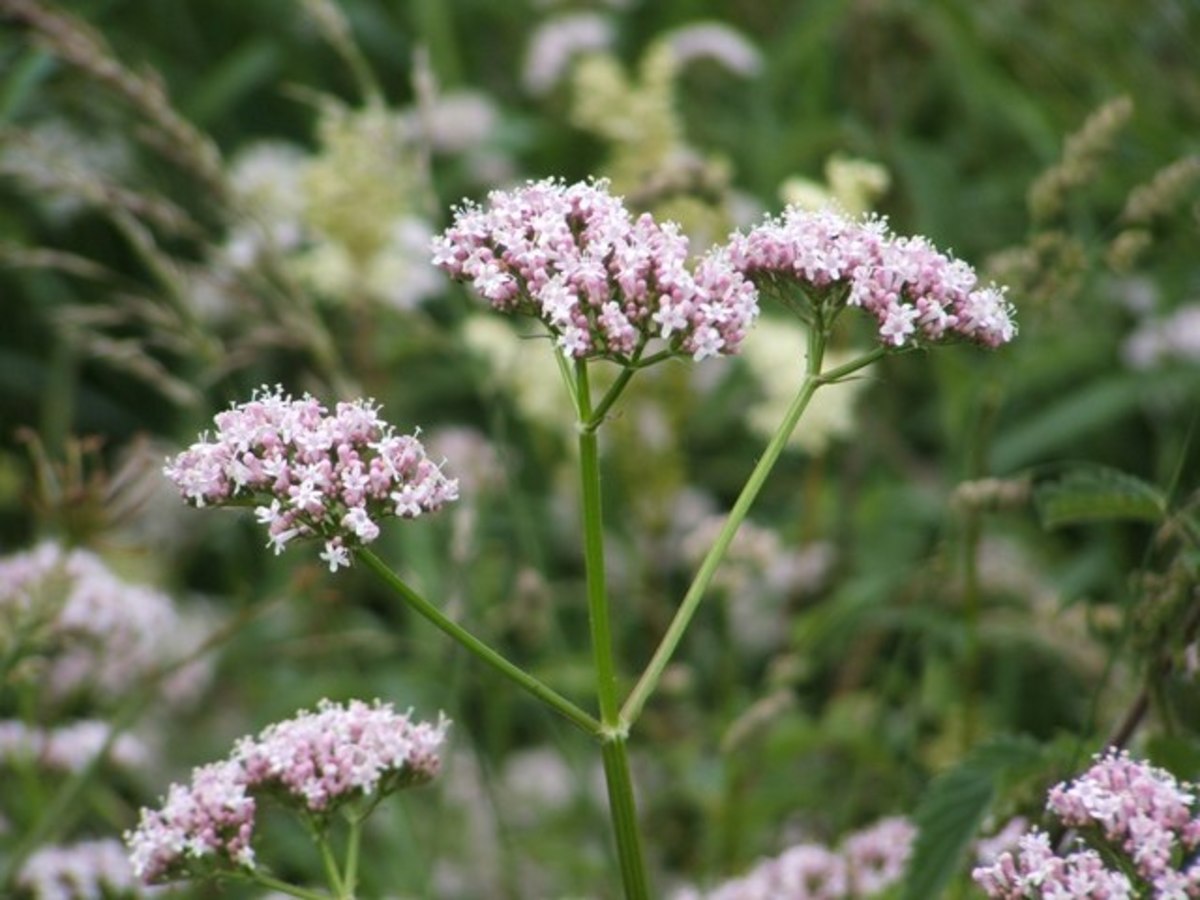
Valerian
How the Compounds Affect the Body
1. Valerenic Acids (Primary Active Compounds)
What they are:
- Valerenic acid
- Acetoxyvalerenic acid
- Hydroxyvalerenic acid
What they do in the body:
Positive allosteric modulation of GABA-A receptors
- Increase the effectiveness of GABA (the brain’s main calming neurotransmitter)
- Do not bind to benzodiazepine sites
- Do not cause the same level of dependency or respiratory suppression
Result:
- Reduced neuronal excitability
- Lower physiological arousal
- Easier transition into sleep
- Reduced anxiety signaling
Effects:
- Helps people fall asleep naturally
- Doesn’t usually cause morning grogginess
- Feels “subtle” compared to sleep meds
2. GABA Content & GABAergic Support
Valerian compounds:
- Increase synaptic availability of GABA
- Reduce GABA breakdown
- Enhance GABA receptor responsiveness
Effects:
- Strengthens the brain’s natural inhibitory tone
- Particularly useful for:
- Hyperarousal
- Racing thoughts
- Stress-related insomnia
- Mild to moderate anxiety
3. Volatile Oils (Secondary, Supportive Role)
Includes compounds like:
- Borneol
- Isovaleric acid derivatives
What they do:
- Mild central nervous system calming
- Contribute to valerian’s characteristic odor
- Possibly enhance parasympathetic (rest-and-digest) activity
4. Adenosine & Serotonin Interaction (Indirect)
Clinical and preclinical data suggest valerian:
- Increases adenosine signaling (sleep pressure mechanism)
- Influences the serotonin balance, this contributes to its calming effects
What Valerian Does Not Do
- Does not knock you out
- Does not act immediately like a sleeping pill
- Does not suppress REM sleep
- Does not act as a benzodiazepine
- Does not work well for acute panic attacks
Precautions:
- Do not combine with alcohol or sedatives
- Avoid with benzodiazepines unless supervised
Summary:
Valerian is
- A GABA modulator, not a sedative
- Best for sleep initiation and anxiety-driven insomnia
- Ineffective for people expecting immediate knockout effects
- Supported by mixed but legitimate clinical evidence, strongest for sleep latency
It works when the nervous system is overstimulated, not when the problem is structural, hormonal, or pharmacological.

Passion flower
Passion Flower
Primary compounds (flavonoids)
- Binds to GABA-A receptors in the brain and regulate the nervous system to produce sleep
2. Harmala Alkaloids
Neuroregulatory support
- Mild MAO-A inhibition (temporary and gentle)
- Helps preserve serotonin and dopamine at night
- Contributes to mood stabilization and reduced nighttime anxiety
These are present at non-psychoactive, non-hallucinogenic levels. This is not ayahuasca. Not even close.
3. Glycosides & Polyphenols
- Reduce cortisol signaling
- Support parasympathetic (rest-and-digest) dominance
- Protect neurons from oxidative stress
Effects on Sleep
Short-Term Effects (First 1–7 Uses)
What users typically notice:
- Faster sleep onset
- Quieter mind before bed
- Fewer stress-induced awakenings
- Improved subjective sleep quality
What it does NOT do:
- Doesn’t knock you out
- Doesn’t override natural sleep architecture
- Doesn’t suppress REM
Passion flower cooperates with your nervous system
Long-Term Effects (Weeks to Months)
Unlike sedatives, passion flower does not cause tolerance.
Observed benefits with consistent use:
- Improved sleep consistency
- Lower baseline nighttime anxiety
- Reduced reliance on stronger sleep aids
- Better REM continuity (important for memory + mood)
Cognitive & Mental Benefits
1. Reduced Cognitive Hyperarousal
- Calms excessive prefrontal cortex activity
- Helps “turn off” rumination
- Especially helpful for anxious or overthinking minds
2. Next-Day Mental Clarity
Unlike antihistamines or benzodiazepines:
No brain fog
No slowed reaction time
No memory impairment
Safety & Use Considerations
- Safe for nightly use
- No REM suppression
- No withdrawal

Lemon Balm
Lemon balm contains several compounds that act together to support both relaxation and cognition:
Rosmarinic acid:
the primary polyphenol in lemon balm, plays a central role in its neurological effects. Research indicates that it supports healthy GABA activity by slowing the breakdown of this inhibitory neurotransmitter. GABA is responsible for reducing excessive neural firing, which helps quiet mental overactivity and supports sleep onset. Rosmarinic acid also provides antioxidant and anti-inflammatory support within brain tissue, contributing to long-term neurological resilience.
Aromatic terpenes:
In addition to its calming effects, lemon balm has demonstrated mild cholinergic activity. Certain compounds show acetylcholinesterase-inhibiting properties, which may support acetylcholine signaling which is a neurotransmitter system involved in memory, attention, and learning. This helps explain why lemon balm can promote relaxation without necessarily impairing cognitive performance.
Effects on Sleep
Lemon balm is best understood as a stress-modulated sleep support herb. It does not function as a sedative that forces sleep. Instead, it helps reduce the mental and physiological tension that interferes with falling and staying asleep.
- Calming effects may be felt within 30–90 minutes after a dose.
- Improvements in sleep consistency and quality are more commonly observed after 1–4 weeks of regular use.
- It is most effective for stress-related sleep difficulty rather than pain or stimulant-driven insomnia.
Effects on Cognitive Health:
Lemon balm’s cognitive effects are often described as “calm focus.” At appropriate doses, it may support mental performance under stress while reducing anxiety related distraction.
Clinical studies have shown that moderate doses can support attention, memory performance, and composure during mentally demanding tasks. Higher doses tend to shift toward sedation, which is why lemon balm is often used at lower doses during the day and higher doses in the evening.
Over longer periods of use, its antioxidant and neuroprotective activity may support cognitive stability, particularly in populations experiencing stress-related or age-associated cognitive strain.
Dose and Timing
- Daytime support: Lower to moderate doses are typically used to support calm focus without sedation.
- Evening / sleep support: Moderate doses taken 30–60 minutes before bedtime are commonly used in studies.
- Consistency matters: Cognitive and sleep-quality benefits tend to build with regular use rather than appearing instantly.
Because extracts vary widely, standardized products (for example, those listing rosmarinic acid content) provide more consistent results.
Safety and Use Considerations
Lemon balm is generally well tolerated. The most commonly reported effect is drowsiness, particularly at higher doses. Caution is advised when combining lemon balm with alcohol, sedatives, or sleep medications.
Individuals with thyroid conditions, those who are pregnant or breastfeeding, or anyone taking prescription medications should consult a healthcare professional before use.
Summary:
Lemon balm supports sleep and cognitive health by helping the nervous system shift out of chronic stress and into balance. It is designed for people seeking steadier sleep, reduced mental tension, and clearer thinking under stress, supported by both traditional use and modern clinical research.
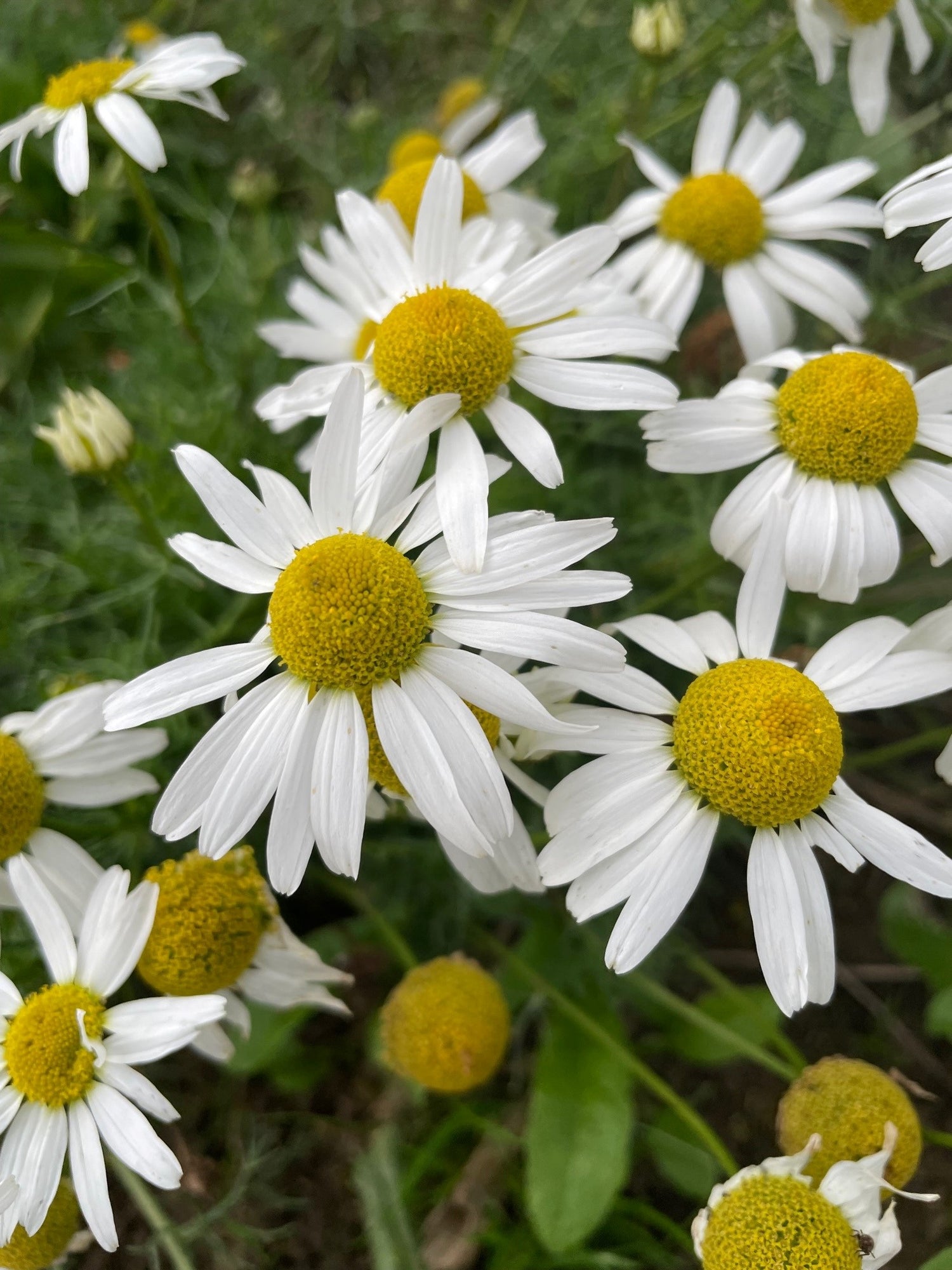
Chamomile
What its compounds do to for brain:
1. Apigenin
What it is: Chamomile’s most pharmacologically relevant compound.
What it does in the brain:
- Binds to benzodiazepine sites on GABA-A receptors (partial agonist effect)
- Increases GABAergic tone (the brain’s main calming system)
- Mildly sedative and anxiolytic (without addictive potential)
- Does not impair cognition at typical doses
What you feel:
- Easier sleep onset
- Relaxation without being mentally foggy
Onset time:
- Relaxation: within 30–90 minutes
- Sleep quality improvement: often within 1–2 weeks of consistent use
2. Bisabolol & Chamazulene (Sesquiterpenes)
What they are: Aromatic compounds in chamomile’s essential oil fraction
Neurological and systemic effects:
- Mild central nervous system sedation
- Anti-inflammatory effects in brain and gut tissue
- May reduce cortisol response to stress
Onset time:
- Fast-acting: typically within 30–60 minutes
Form notes:
- Stronger in CO₂ extracts or steam-distilled oils
- Present but milder in capsule powders or teas
3. Luteolin & Quercetin Derivatives (Flavonoids)
What they do:
- Act as neuroprotective antioxidants
- Reduce oxidative stress and inflammation in neurons
- May help stabilize sleep architecture and improve recovery from chronic stress
Onset:
- Slow-acting: support builds over 2–4 weeks
Cognitive relevance:
- Not directly nootropic, but preserve cognitive clarity under chronic stress conditions
4. Coumarins & Glycosides
What they do:
- Supports vascular tone and circulation
Safety and Interactions
Possible effects (rare):
- Drowsiness
- GI upset
- Mild allergic reaction (especially in those sensitive to ragweed family)
Mechanistic Summary
Chamomile works by:
- Gently enhancing GABA signaling (via apigenin)
- Reducing stress reactivity and sleep latency
- Supporting calm clarity under pressure
- Providing anti-inflammatory protection to brain tissue over time
Not a stimulant. Best positioned for people who are tense, wired, or mentally restless, and want to restore a calmer baseline without cognitive compromise.
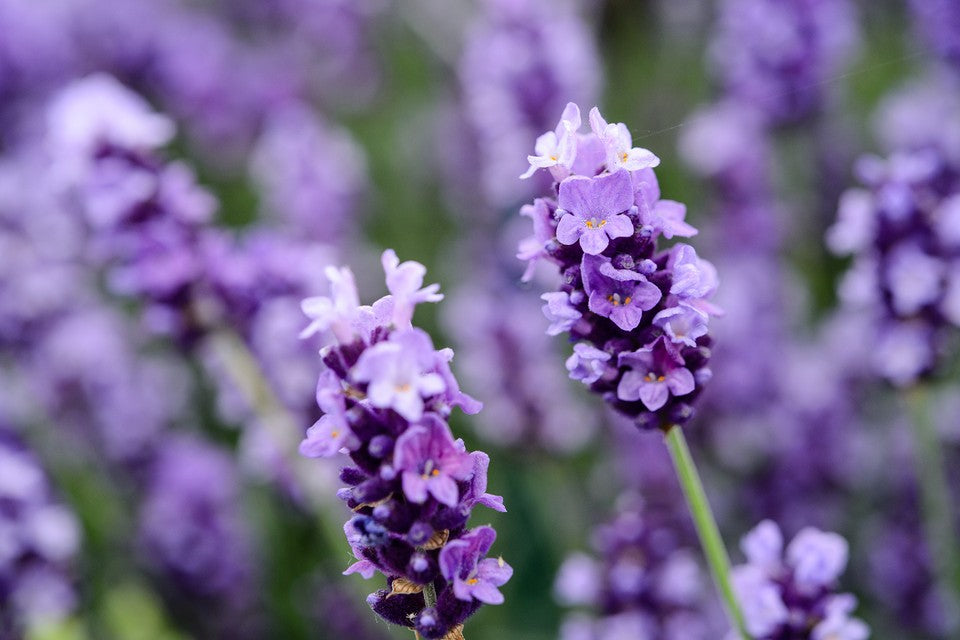
Lavender
It's compounds & Their Effects:
Linalool & Linalyl Acetate:
What they are: Volatile oils that give lavender its calming aroma and flavor.
How they work:
- Bind to GABA-A receptors in the brain which increases calming neurotransmission (similar to how benzos work, but gentler)
- Calm the limbic system (emotion control center) via aroma-triggered signaling
- May block excitatory glutamate receptors, reducing mental overstimulation
- Inhibits the serotonin transporter boosting serotonin levels in the brain
Short-Term Benefits:
- Lowered anxiety and emotional tension
- Relaxation within 30–90 minutes of a single cup
- Promotes drowsiness without heavy sedation
Long-Term Benefits (daily use 2–4 weeks):
- Reduced baseline anxiety
- Better sleep onset and quality
- Fewer thoughts before bed
Rosmarinic Acid & Polyphenols:
What they are: Antioxidant compounds found in water-soluble parts of the lavender flower.
How they work:
- Reduces oxidative stress and neuroinflammation
- Supports cognitive health under chronic stress
- May protect sleep-regulating areas of the brain
Long-Term Benefits:
- Support more consistent, restful sleep over 2–4 weeks
- Help preserve mental clarity by buffering the effects of long-term stress
3. Coumarins
What they are: Mild plant compounds found in small amounts in lavender
How they work:
- Slight blood-thinning effects, which can help with relaxation by improving circulation,
Summary:
Clinical studies show that lavender tea can improve sleep quality, shorten sleep latency, and reduce anxiety when consumed consistently over 2–4 weeks. Most users feel a sense of calm within 30–60 minutes of drinking a cup, with deeper benefits building over time.